
Separation Isn’t A Solution
By Jon Eden Khan
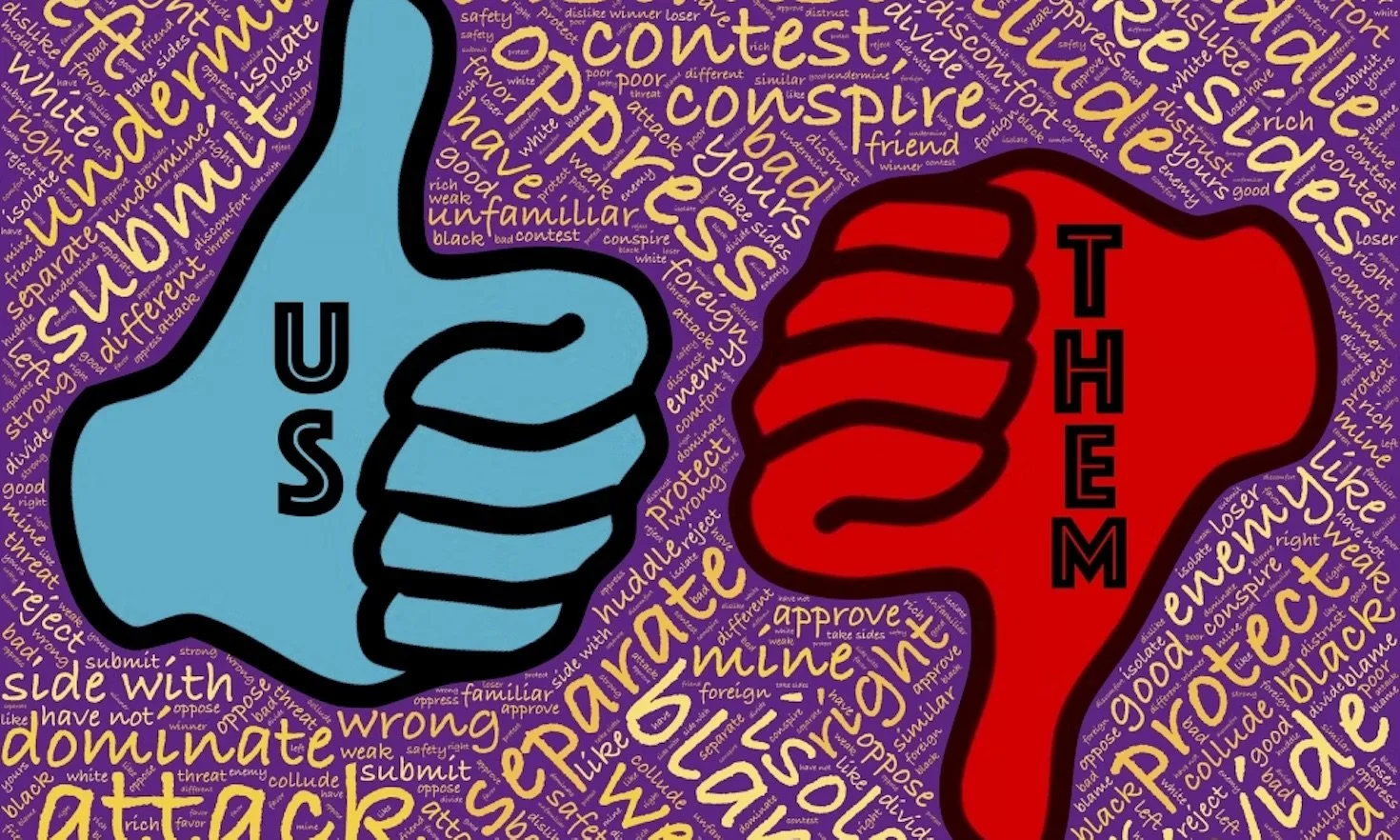
The massive rise of nationalist populism (Trump, Bannon, Brexit, Farage, Reform, Bolsonaro, AfD, Marine Le Pen, etc.) is a reaction to a crisis where humanity is facing global scale challenges but has not yet emerged as a global species.
The ecological crisis, wealth inequality, conflicts that come with the transition from a unipolar world to a multipolar world, the legacies of colonialism and systemic injustice, resource distribution, etc., are all deeply interconnected global scale issues.
There is no denying this. And yet humanity remains tribal. We’re fighting for national interests in the face of planetary problems. Very clearly, we have entered a phase of planetary interdependence without yet developing the shared capacities, institutions, and leadership required to act as a coherent human whole.
In their healthy expressions, nationalist populist movements stand for the need for social cohesion at the national, ethnic, and cultural levels, which many feel have experienced significant disintegration over the last decades. In their less healthy expressions, nationalist populism can become a strategy for seeking safety through withdrawal — prioritising the familiar and the immediate when wider interdependence feels threatening or destabilising.
It is true that globalism has come at the cost of healthy boundaries for many nations and cultures. In the movement toward global trade, global travel, and global interconnection that has characterised the rise of the neoliberal world, many large groups have been left behind.
And now they’re angry. They have had enough of what they perceive as globalist establishment power. They’ve had enough of career politicians claiming to speak for them while playing the public relations game and having virtually no real-world connection to those they represent.
Trump is explosive antidote to this trend. In his explicit ethnocentrism, shameless self-interest, and material pragmatism he offers a certain ‘kind of’ authenticity in a political desert where people are desperate for any authenticity at all, and a permission slip to the most self-centred voices in us all. Many other populist leaders have followed in this vain.
The level of support that Trump, and other populist leaders with comparable traits, continues to receive, despite regular failures of integrity the likes of which would have ended political careers in the pre-Trump world, is a fascinating phenomenon.
What many on the other side of the political aisle struggle to fathom is how deeply many people feel betrayed by their political representatives. These leaders spoke and still speak in noble, moral, upright terms, and yet they tend to be as susceptible to corruption scandals as anyone else. It’s the hypocrisy people resent. And so when populist leaders operate according to brazen self-interest, for many there has been a collective sigh of relief and embrace of their cause.
The issue is this cause alone isn’t going to work. The idea that humanity can wind back the clock and its level of interconnection is not going to happen. Not in the era of the internet, information technology, and breakthrough AI. Yes, social cohesion at the national, ethnic, and cultural levels are important. Issues are inevitable, however, if these efforts come as an attempt to escape from the level of interconnection humanity has entered into, rather than a means to participate in it more healthily.
The crisis humanity collectively faces today are calling us to learn how to balance participation in the one Earth, and humanity’s purpose within it, with healthy diversity at the national, ethnic, and cultural levels. A danger for the nationalist populist movements holding so much power today is where they are attempting to turn away and escape the pressure of this evolutionary crisis. While those on the left have pioneered an advance into a much more globally inclusive relationship with humanity, anchored in institutions and movements, a danger for them is where they remain blind to how deeply betrayed people feel by their claims to integrity that have so often been followed by scandal, and the labelling of those feeling a need for more social cohesion are dismissed as racist and xenophobic.
We need political movements to rise that can resolve these fundamental faultines of the modern political landscape. Such movements must learn to balance planetary responsibility with national and cultural integrity. They must build a new foundation of political trust in a way that doesn’t claim perfection. They must welcome humanity’s fears, without collapsing into contraction in the face of uncertainty or judging those who do. And all within a healthy expression of the one and the many.
Singularity is one of those movements.